Choose "Make this ad premium" at checkout.
Human Factors Engineering in SPD Error Reduction London
- Location: London, London, United Kingdom
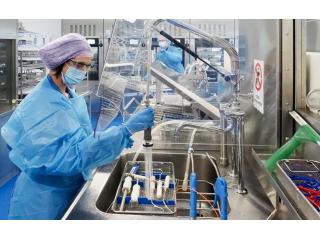
In the high-stakes environment of the Sterile Processing Department (SPD), the margin for error is non-existent. A single missed step in the decontamination or sterilization process can lead to devastating surgical site infections or equipment failures in the operating room. Traditionally, when errors occur, the focus has been on individual blame or retraining; however, modern healthcare is shifting toward Human Factors Engineering (HFE). This discipline examines the relationship between human beings and the systems they work within, aiming to design processes that account for natural human limitations such as fatigue, cognitive load, and environmental distractions. By re-engineering the SPD workflow to be "user-centric," facilities can significantly reduce the probability of errors before they ever reach the patient, ensuring a higher standard of safety across the entire surgical continuum.
Addressing Cognitive Load in Complex Instrument Assembly
One of the most significant contributors to errors in the SPD is the immense cognitive load placed on technicians during the assembly of complex instrument sets. Some orthopedic or neurosurgical trays can contain hundreds of unique pieces, each requiring specific placement and inspection. Human Factors Engineering suggests that relying solely on memory is a recipe for failure. To mitigate this, departments are increasingly implementing visual cues, such as high-resolution color-coded templates and digital 3D assembly guides. These tools reduce the "mental gymnastics" required by the staff, allowing them to focus their attention on the quality of the inspection rather than struggling to identify a specific screw or plate. Developing the skills to navigate these advanced technological systems is a core component of a modernsterile processing technician course, which prepares professionals to work effectively within these redesigned, high-efficiency systems.
Ergonomics and Physical Fatigue Management
The physical environment of the SPD plays a crucial role in the accuracy of the work performed. Technicians often spend hours standing at decontamination sinks or assembly tables, performing repetitive motions in environments that can be loud and humid. Physical fatigue is a direct precursor to mental lapses; when a technician is physically uncomfortable, their ability to spot a minute speck of bioburden on a lumened instrument diminishes. HFE principles advocate for the implementation of height-adjustable workstations, anti-fatigue matting, and optimized lighting that reduces eye strain. By creating a workspace that supports the physical well-being of the staff, the facility naturally boosts the reliability of the output. This ergonomic focus ensures that the technician remains alert and precise throughout their entire shift, which is essential for maintaining the rigorous standards required for sterile reprocessing.
Standardizing Workflows to Prevent Process Drift
Process drift occurs when small, seemingly insignificant shortcuts are taken over time, eventually leading to a major bypass of safety protocols. Human Factors Engineering seeks to prevent this by standardizing workflows in a way that makes the "right way" the "easiest way." This involves organizing the physical layout of the department to follow a unidirectional flow—from dirty to clean—without backtracking or intersections that could lead to cross-contamination. Standardized Work Instructions (SWIs) should be presented in a simplified, highly visual format at every station, acting as a "forcing function" that prevents a technician from moving to the next step until the current one is verified. This systemic approach to discipline ensures that even in times of high volume and stress, the integrity of the sterilization process remains uncompromised, as the environment itself guides the technician toward the correct actions.
The Impact of Environmental Distractions and Noise
The SPD is often a noisy environment, filled with the sounds of ultrasonic cleaners, cart washers, and steam sterilizers. From a human factors perspective, high noise levels increase stress hormones and degrade the ability of technicians to communicate effectively or concentrate on delicate tasks. Implementing "Quiet Zones" or utilizing acoustic-dampening materials can help create a more focused atmosphere.


Useful information
- Avoid scams by acting locally or paying with PayPal
- Never pay with Western Union, Moneygram or other anonymous payment services
- Don't buy or sell outside of your country. Don't accept cashier cheques from outside your country
- This site is never involved in any transaction, and does not handle payments, shipping, guarantee transactions, provide escrow services, or offer "buyer protection" or "seller certification"
Related listings
-
 Upgrade Your Skills at Nice IT Services – The Best Computer Institute in PitampuraEducation - Training - North West Delhi (Delhi) - July 18, 2026
If you’re looking to enhance your career opportunities in IT, Nice IT Services is the place to start. As the Computer Institute in Pitampura, we offer diverse courses in Web Development, Programming, Accounting, and Multimedia. Our training foc...
-
Best Data Analyst Course in Pitampura – Learn with Nice IT ServicesEducation - Training - South West Delhi (Delhi) - July 14, 2026
Nice IT Services offers the best Data Analyst Course in Pitampura designed for students, graduates, and working professionals. This course focuses on real-world data analysis skills including Advanced Excel, SQL, Python, Power BI, and Tableau. With e...
-
Affordable Computer Course in Pitampura for Students and ProfessionalsEducation - Training - North West Delhi (Delhi) - July 9, 2026
Nice IT Services is a trusted Computer Institute in Pitampura providing affordable and job-oriented training programs. The institute offers a variety of Computer Course in Pitampura options covering programming, web development, accounting software, ...